
The biggest Al transformation I made this year happened in my kitchen.
Thought Experiment
I was wasting food, overwhelmed by grocery shopping and eating out far too often. I wanted to know: can i apply the same transformation and change management principals I use at work to solve problems in my kitchen? Let’s see what happens!
Dinner Became Another Problem to Solve
I love good food and I do enjoy cooking.
What I hated was everything required to get to the cooking.
I work long days, and meal planning required more time and mental energy than I had left. I needed to find recipes, figure out what everyone would eat, compare ingredients, check what we already had, build a shopping list, shop, prep, cook, and somehow keep track of all the half-used ingredients afterward.
When I didn't plan ahead, dinner became a decision we had to make at the worst possible time, at the end of the day when everyone was hungry.
So we ate out, a lot.
I don't need twenty choices for tomato paste.
I just need to know which tomato paste to put in my cart.
When I did grocery shop, I wasn't very efficient. I would buy ingredients for individual recipes, use part of something, forget it was there, and eventually throw it away. Meanwhile, I might buy the exact same ingredient again the next week.
Shopping itself wasn't much better. Too many products, too many choices, too many tiny decisions that didn't deserve that much of my attention.
Eventually I realized that finding time to plan meals and cook wasn't the problem.
The lack of a structured system around meal planning was rooted in outdated practices.
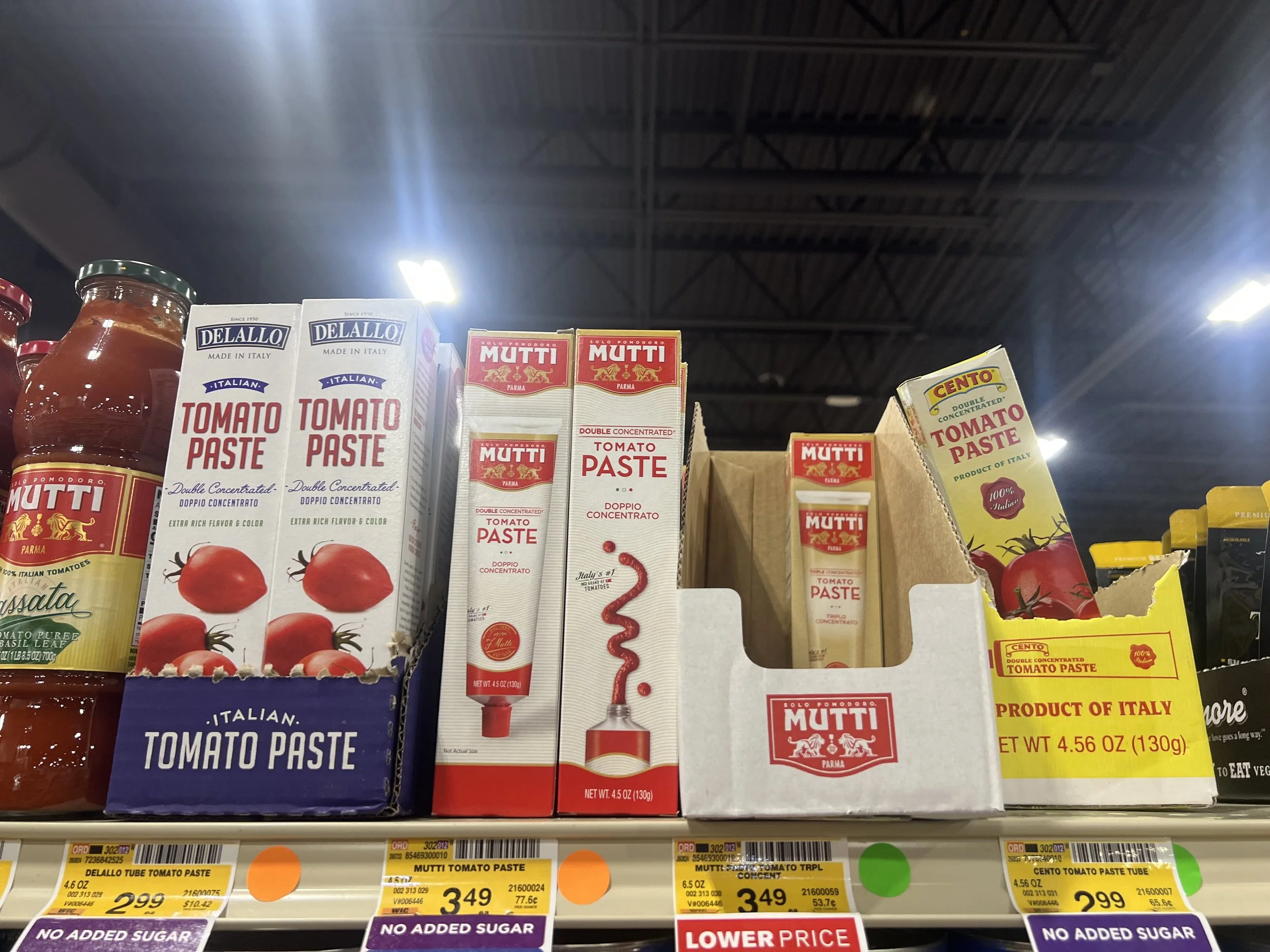
Should I buy the cheapest option or most expensive?
Should I get double concentrate, or triple?
Should I get can or tube?
So, I built a system to fix dinner.
I started using AI differently.
Instead of asking it, What should I make for dinner?, I began building a workflow around the entire problem.
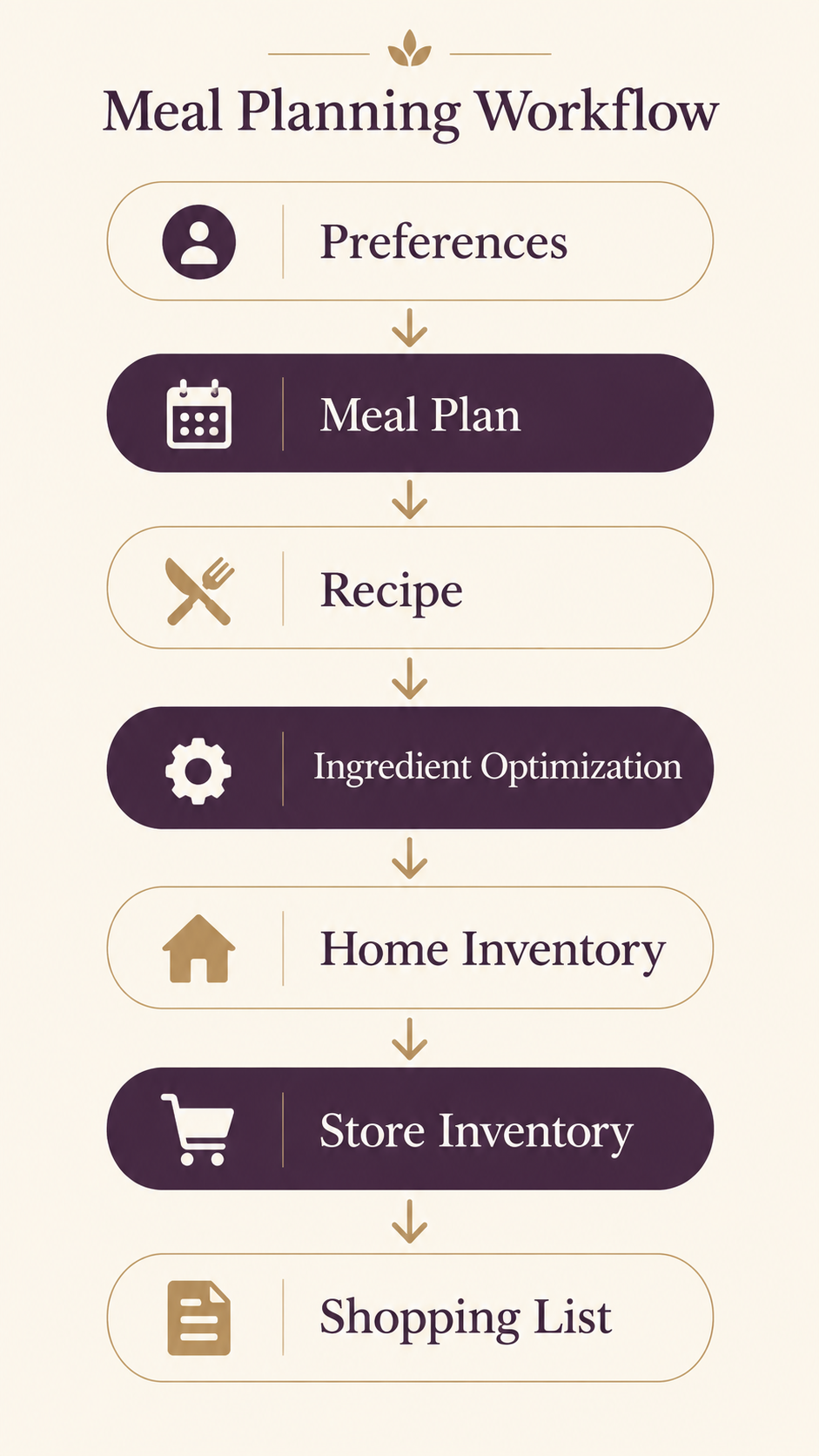
The system now moves through:
Preferences → Meal Plan → Recipe → Ingredient Optimization → Home Inventory → Store Inventory → Shopping List
Each step uses information from the step before it. By the time I leave for the store, the decisions that used to overwhelm me have already been made.
First, I taught it how we actually like to eat.
I didn’t want an AI meal planner that simply handed me five random recipes every week. I wanted meals my family would genuinely look forward to eating, and I wanted the recommendations to reflect how we actually cook at home.
My criteria are pretty simple. I prefer fresh ingredients, mostly homemade food, lots of flavor, reasonable cooking time, and enough variety that dinner does not start feeling repetitive. One of my favorite food series is Salt Fat Acid Heat, and I borrowed some of that philosophy for the system. I wanted recipes built around the fundamentals that make food taste good, rather than relying on heavily processed ingredients or complicated techniques.
Over time, I gave the system feedback about what worked and what didn’t. Meals we loved became part of the profile it could draw from again. Ingredients we consistently avoided became less likely to appear. I don’t like peas, for example, so the system learned that zucchini is usually a better fit for our family in dishes where peas might traditionally be used.
That learning also happens while I’m cooking. I might ask whether mushrooms would work in a dish, what kind of acid would balance a sauce, whether something would brown better in the oven, or what I can substitute when I’m missing an ingredient. Those small choices gradually add more context about the flavors, ingredients, and cooking methods I prefer.
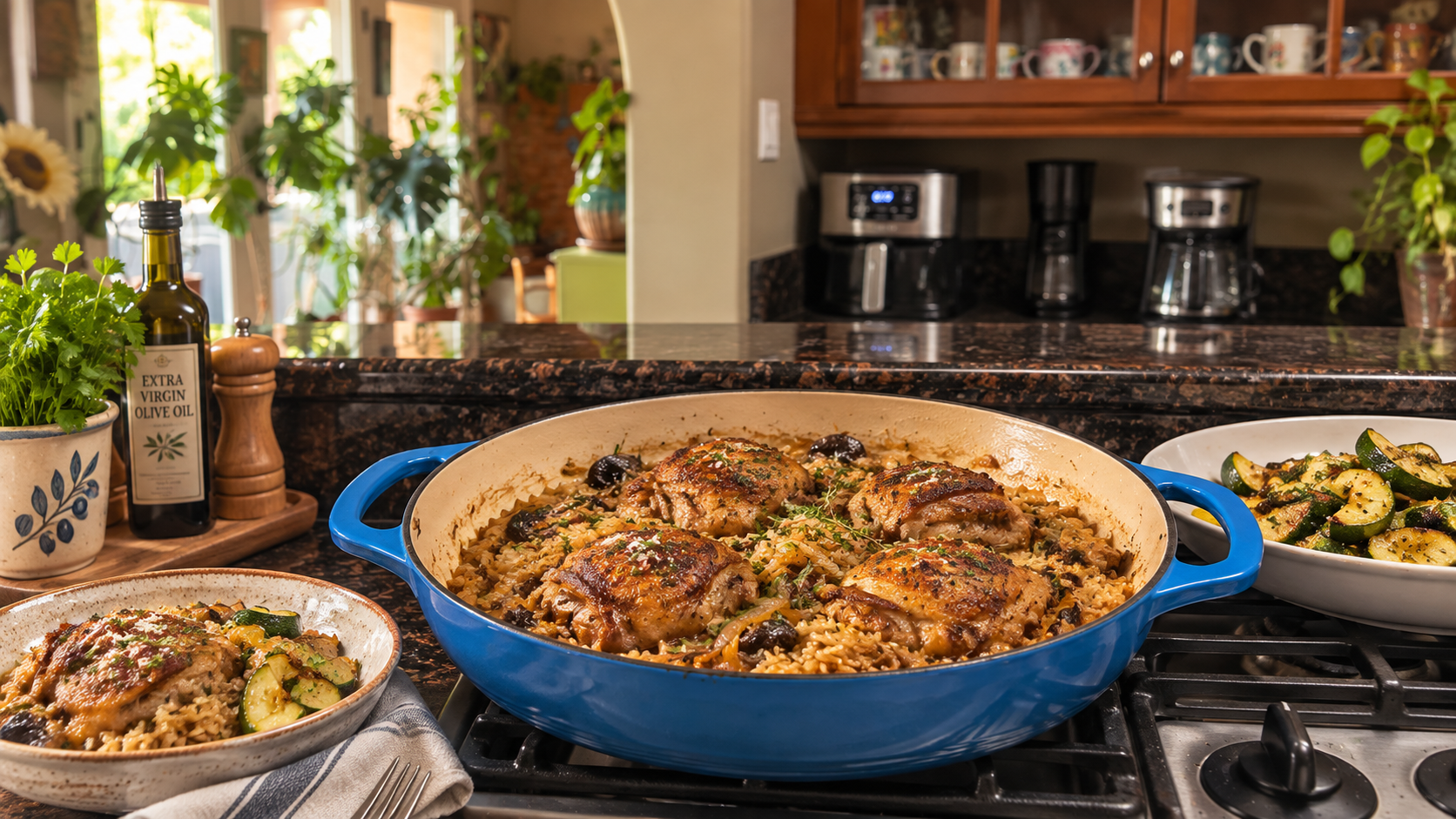
Some of the early experiments included French onion chicken and rice, pollo con arroz with zucchini, fresh one-pot spaghetti, beef stroganoff, steak bites, and homemade queso. What mattered was not building a giant recipe database. It was creating enough context for the system to understand how we like to eat and use that knowledge when planning the next week.
Five meals aren’t five separate shopping lists.
This was one of the changes that made the whole workflow much more useful. Traditional meal planning tends to treat every recipe independently. You choose five meals, build five ingredient lists, combine them, and head to the store.
My workflow looks across the entire week instead.
If three recipes use onions, it calculates how many onions I actually need across all three. If two meals use zucchini, it accounts for the total quantity. If I already have garlic, rice, olive oil, chicken broth, or fresh herbs at home, those amounts are deducted before anything makes it onto the shopping list.
The inventory piece also helps me use food before it goes bad. If I already have fresh ingredients that need to be used soon, the workflow can take those into account when choosing the week’s meals. And if a recipe calls for only a small amount of something that is usually sold in a much larger package, the system can look for another sensible way to use the remaining ingredient later in the week.
I don’t want five meals that all taste the same simply because they share ingredients. The goal is to find useful overlap where it makes sense, while still giving us variety. In practice, that means buying closer to what we will actually use, using more of what is already in the kitchen, and throwing much less food away.
Then I tackled the part I hated most: shopping.
Planning the meals helped, but shopping was still full of unnecessary decisions.
A traditional shopping list might tell me I need tomato paste. That still leaves me standing in front of a shelf with twenty kinds of tomato paste, deciding which size, brand, or version to buy. Multiply that by an entire grocery list and I was still spending a surprising amount of mental energy on decisions I did not really care about.
So I connected the workflow to the online inventory at my local supermarket. Once the meals and ingredient quantities are finalized, the system can check what is actually in stock and help narrow the shopping list down to specific products and package sizes.
I can also change the purchasing criteria depending on what matters that week. Sometimes I want the highest-quality ingredients. For an ingredient I rarely use, I may want the smallest available package so I am not throwing half of it away later. If I am trying to keep the grocery bill down, I can make price the priority instead.
The underlying workflow stays the same. I only change the instruction.
That also means I can find out before I leave home that something is unavailable and adjust the plan or select a substitute in advance. By the time I am actually shopping, I am no longer evaluating every option on every shelf. Most of the low-value decisions have already been handled, while the choices I actually care about are still mine.
My Saturday Morning Prompt
Now, my weekly meal plan and ingredient list is optimized in minutes with a single prompt.
What happens in a few seconds:
Select the meals
The workflow considers our preferences, available time, previous feedback, planned leftovers, and what is already in the kitchen.Build the recipes
It adjusts recipes and serving quantities for that week's plan, including the dinners that need to produce lunch the next day.Optimize the ingredients
Instead of looking at each recipe independently, it considers the entire week and finds sensible opportunities to share ingredients and reduce waste.Check inventory
It looks at what I already have, how much is available, and which fresh ingredients should be used first.Validate the store
The shopping requirements are checked against my local supermarket's inventory and my purchasing preference for that week.Build the shopping list
Only then does it produce one consolidated, validated list with the quantities and products I actually need.
-
Use my weekly meal-plan workflow to create five dinners for this week.
Use my established recipe preferences and family preferences. Prioritize easy, flavorful, homemade meals using primarily fresh ingredients and the flavor principles I prefer around salt, fat, acid and heat.
Two of the dinners should make enough additional food for lunch for two people the following day.
Review my current ingredient inventory before choosing the final meals. Prioritize fresh ingredients that need to be used soon.
Select five meals with enough variety that the week doesn't feel repetitive. Optimize ingredient overlap where it reduces waste without compromising the recipes.
Calculate the actual quantity required for every ingredient across the full week. Subtract usable quantities already in my inventory.
Identify ingredients that would leave significant unused quantities and determine whether another meal can use them naturally.
Create the complete recipe and quantities for each dinner, including the additional servings required for the two leftover lunches.
Check my local supermarket's current online inventory for everything I need to purchase.
This week's purchasing priority is best quality with minimal waste. Select the specific product and package size that best fits that goal. If the preferred item isn't available, select the closest appropriate substitute.
Return:
This week's meal plan
Recipes and cooking instructions
Ingredients required by meal
What I already have
What will be used from existing inventory
The consolidated shopping list with exact products and quantities
Anything likely to remain after the weekFlag anything that genuinely requires a decision from me rather than making an unsupported assumption.
What Changed
I originally built this because I wanted meal planning to take less time. It solved that problem.
But the bigger changes weren't about time.
More home-cooked food
We eat fresh, homemade meals much more consistently because dinner is planned before the week gets away from us.Less food waste
Ingredients are purchased as part of a weekly system instead of for isolated recipes, and the workflow actively considers what is already in the kitchen.Less decision fatigue
I don't have to make hundreds of tiny food and shopping decisions throughout the week. Most of them have already been handled.Far less eating out
Dinner isn't something we have to solve at the end of a long day anymore.
And maybe most importantly, cooking has become enjoyable again because I get to spend my time on the part I actually liked in the first place -
Making the food.
The Experiments
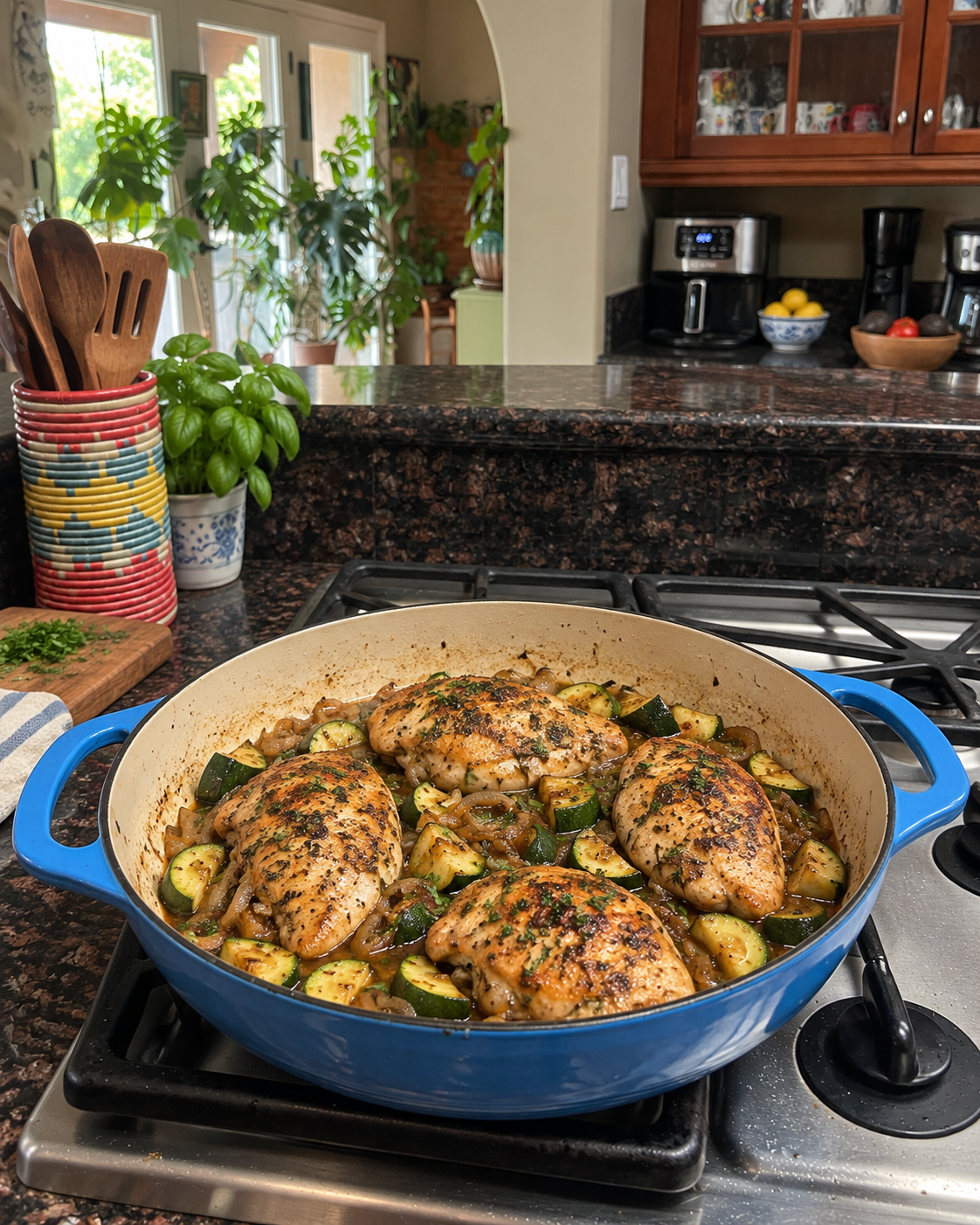
Lemon garlic chicken
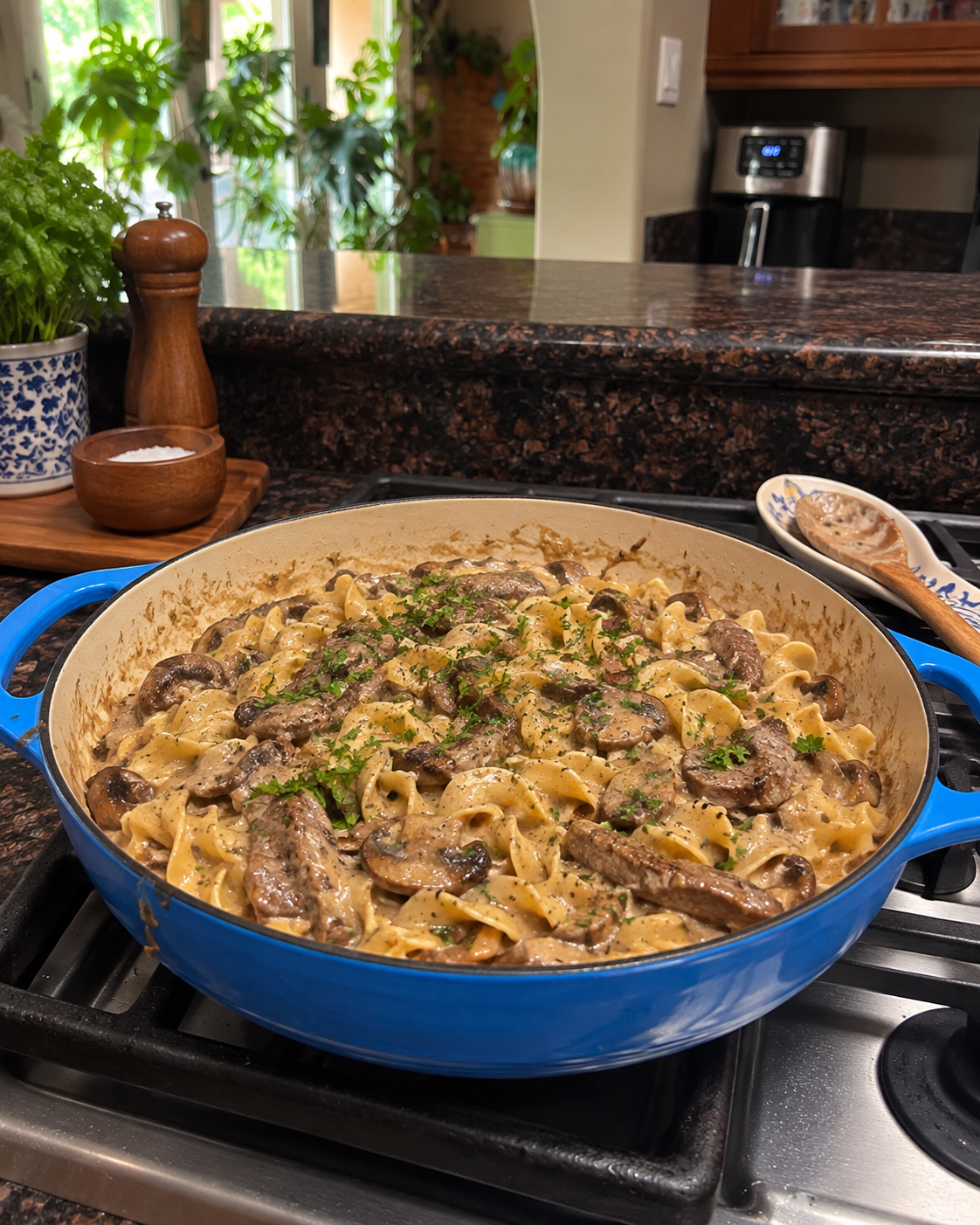
Beef Stroganoff
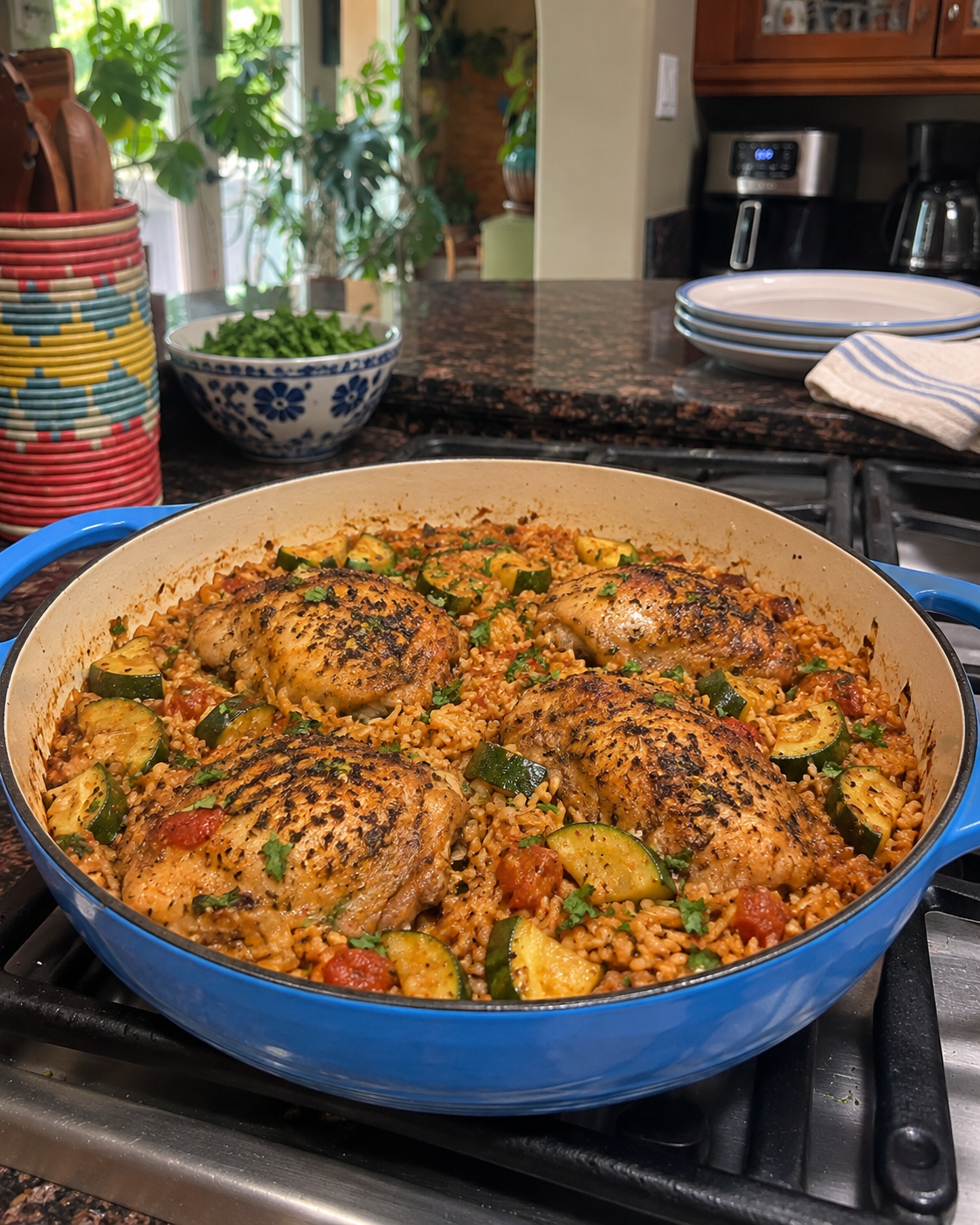
Pollo Con Arroz